1564
Cardano writes the book — a gambler’s manual that anticipates classical probability.
Liber de Ludo Aleae = The Book on Games of Chance. Thirty-two short chapters. Printed too late (1663) to found the later school of Pascal and Fermat.
Gerolamo Cardano chairs. A score that does not name its circuit is a wager dressed as measurement.
WeftOS already publishes numbers (gates, quality, harness). If those numbers hide the sample space, they are bets, not measurements.
Cardano writes the book — a gambler’s manual that anticipates classical probability.
Printed in his collected works after his death.
WeftOS already scores constantly. Silence about the sample space is a hidden die.
Nova read only the dead. Vetus read only the walls. Coniunctio is where they finally sit together.
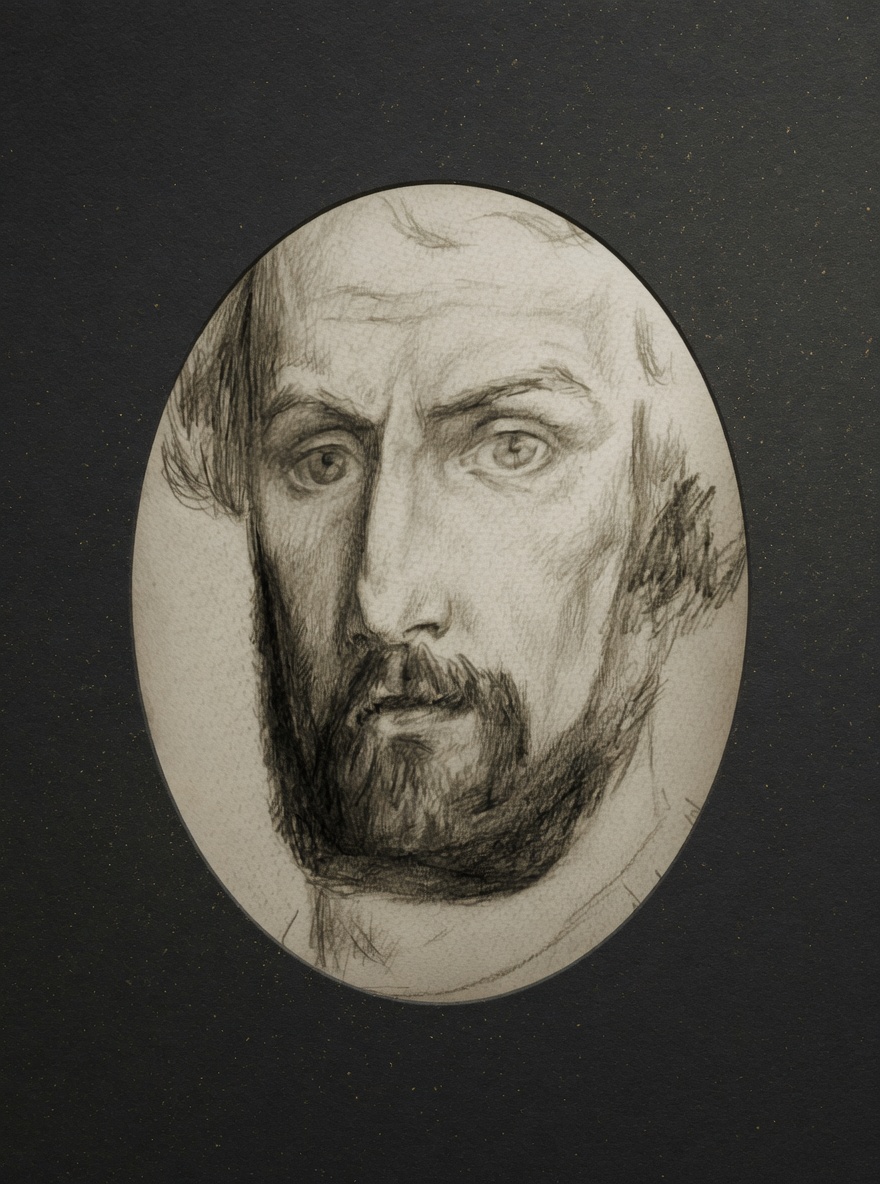
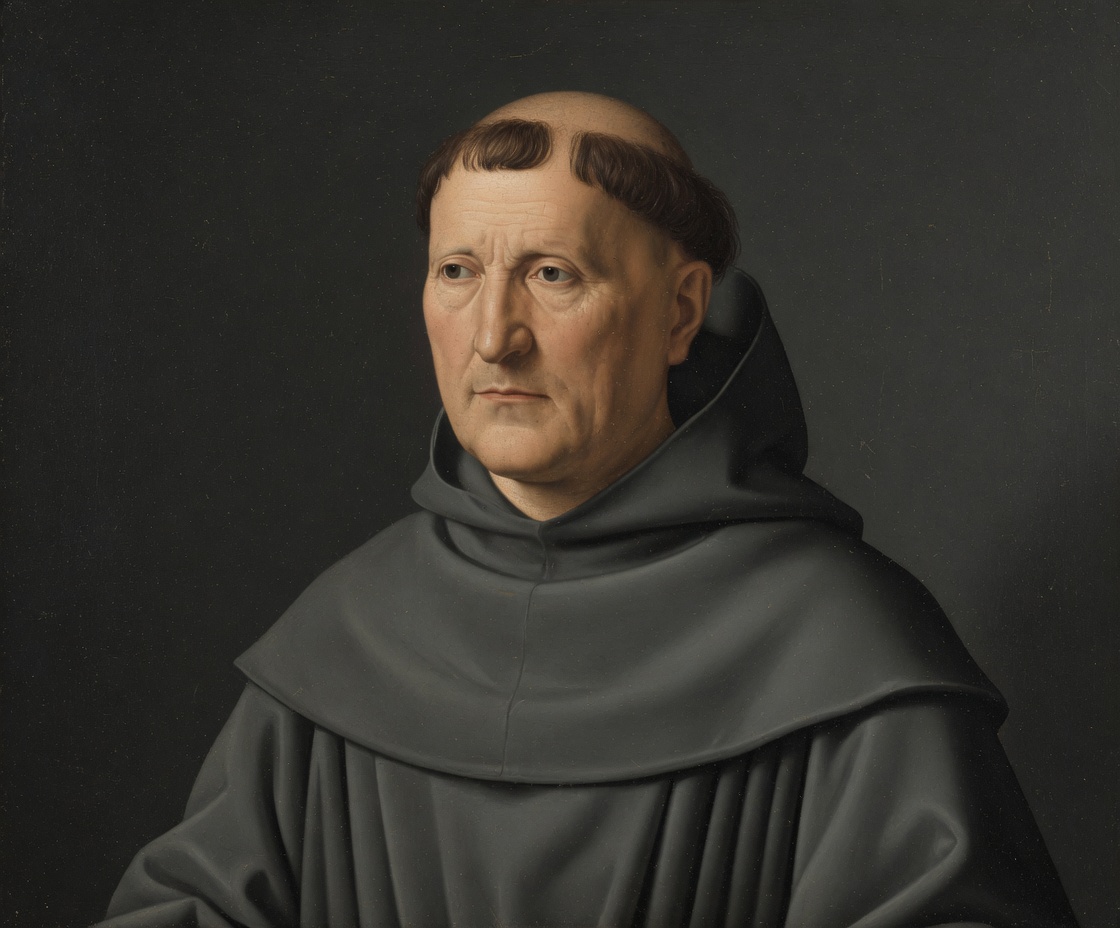
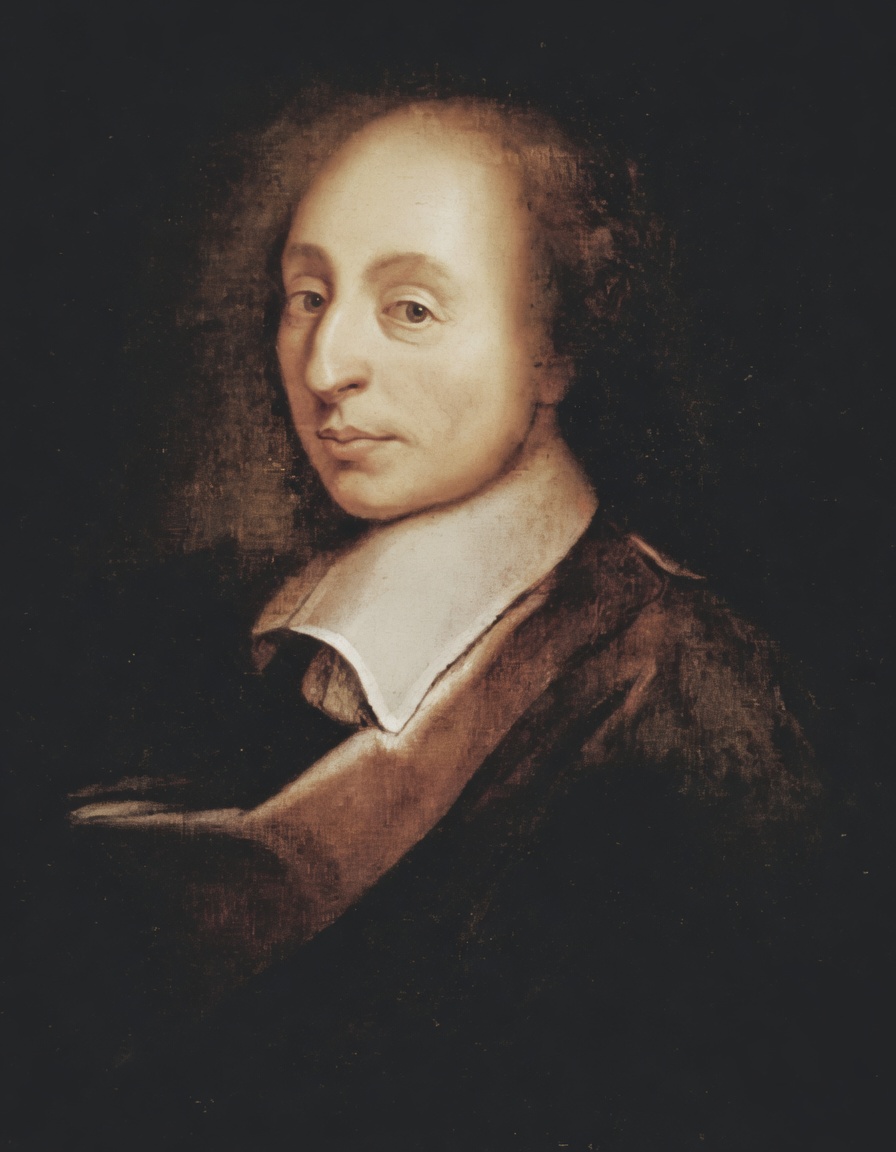
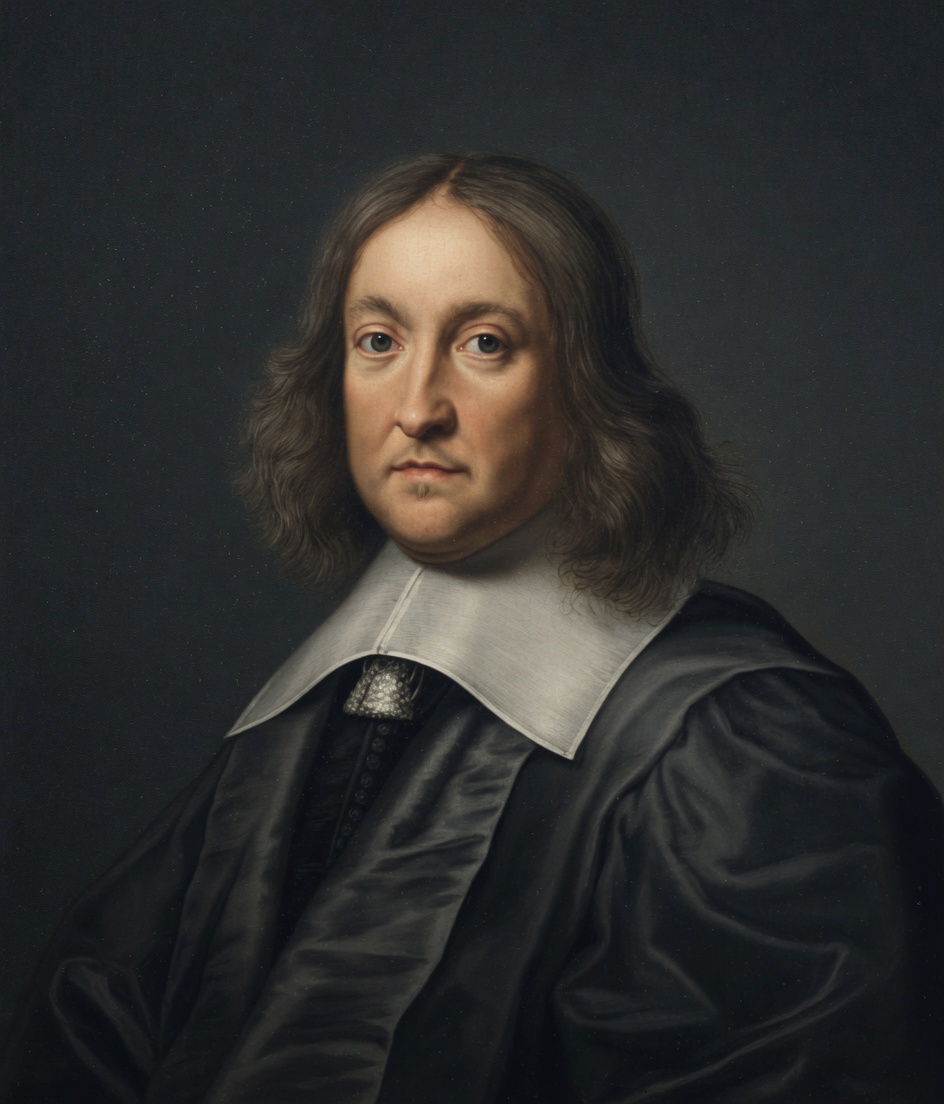
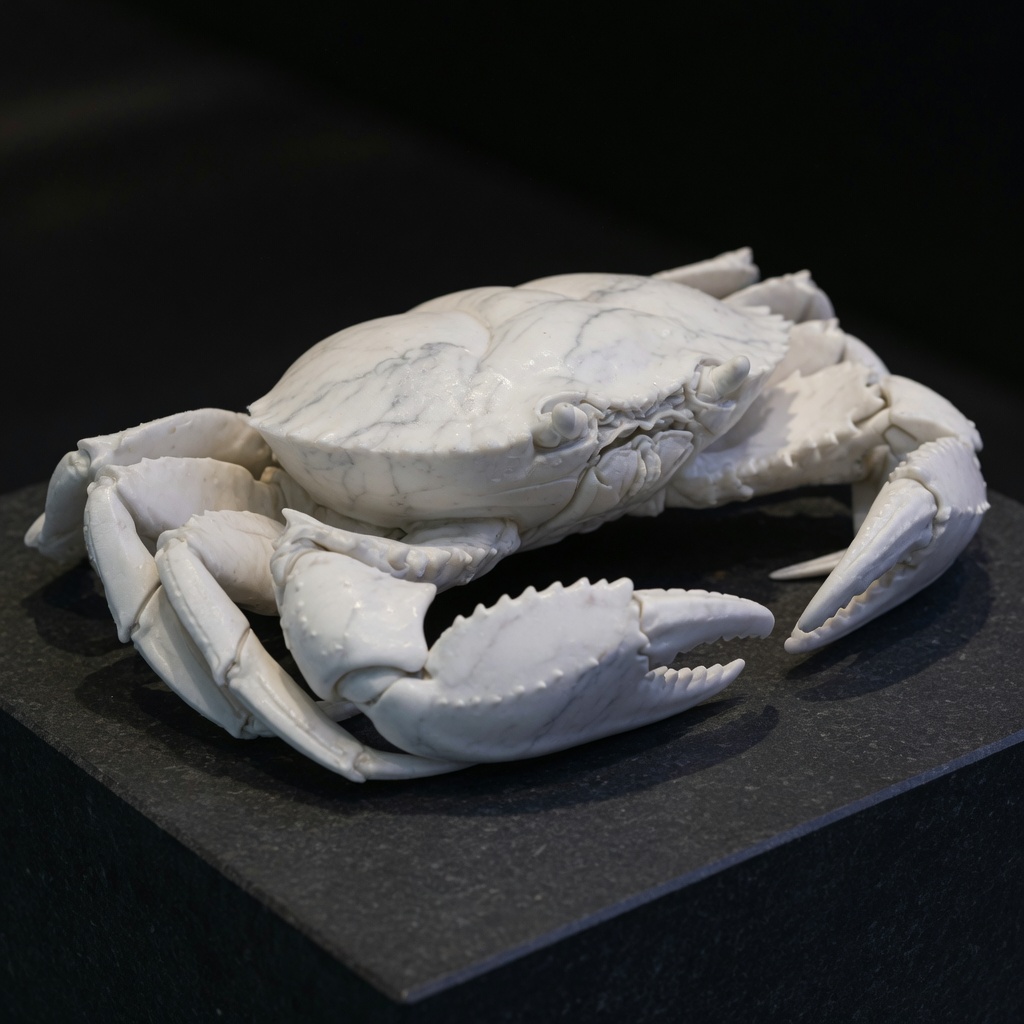
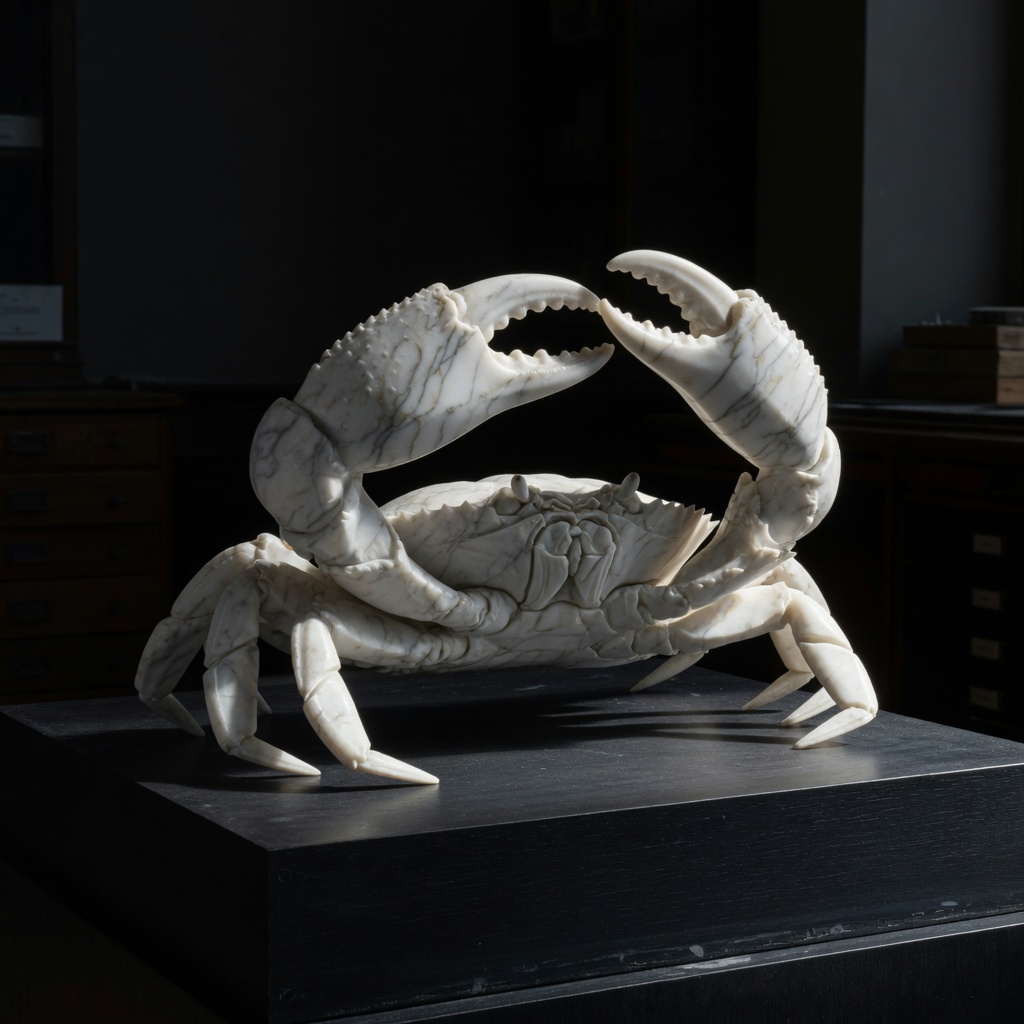
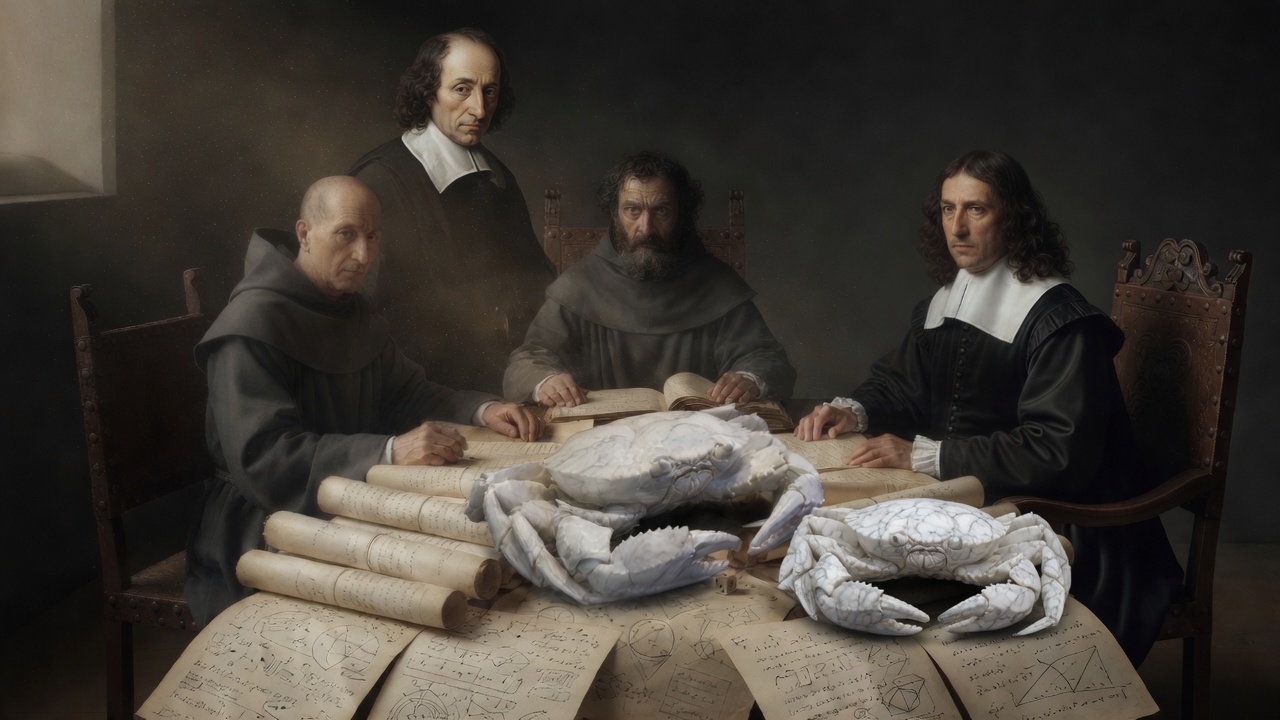
Coniunctio: both rooms at last, equal light, paperwork still arguing. Mixing earlier would have been a cheat.
Count the circuit. Name the favorable faces (r). The rest is s. A fair table pays s:r so EV = 0. The house table, same honest die, pays 4:1 anyway.
Fair is justice, not generosity. Play eight turns. The leak is the contract, not the bone.
r : s
Stake 1 of 8 — limited risk, recreation not treasury. Pick faces, then roll. Same luck will hit both purses; only the payout differs.
Try. Leave 6 on, hit Play 8. Then turn on 1–3 and play again. See. Fair hovers; house leaks on every win (or, if you named three faces, the 4:1 table overpays — that is a marked price too). Why. A router that bills the hard-model rate for an easy task is the house column.
A hand is n throws. Success = at least one six. ROTM books this as n/6. The circuit is 1−(5/6)n.
A scorer that adds “one-sixth per try” is this book. Play eight hands and watch it overclaim.
ROTM books 0.50 · circuit is 0.421
Four throws to cross ½.
No money on this table — limited risk is the point. ROTM is a pricing error, not a purse. At n=3 it claims half; the bone owes you about 42%.
Try. Play 8 at n=3, then drag to 4 and play 8 more. See. Hits cluster near the green number, not the amber half. Why. Length-based quality scores are this family: they add marginals and read the sum as a chance of success.
None of these files cite Cardano. Click a surface. The right pane unpacks the actual arithmetic — not a slogan.
We name what already rhymes, and what only shares a word.
Select a surface.
Try. V1, then V6, then V7, then V4. See. L2 distance, stop-loss trip, five unlabeled faces, length-as-chance. Why. Classification without the formula is just a mood.
WeftOS spent the English word circuit on a stop-loss (WEFT-322). Cardano spent circuitus on the sample space. Same letters. Different jobs.
A perfect breaker can still leave you on a 4:1 house table.
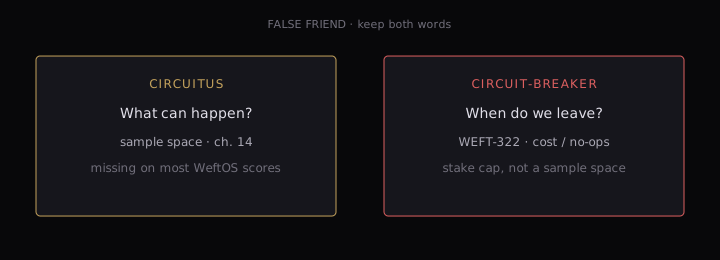
Try. Step 1 → 5. See. Enumeration on the left, trip-wire on the right; they never become one number. Why. Renaming the breaker “circuitus” would hide a crooked book behind a stop-loss.
MetaHarness published five faces this session. Aequitas asks whether the table itself is even — including whether harness fit was measured under equal conditions.
Do not promote on one cast. Do not rename EffectVector.fairness. Run the equality check beside both.
Try. Walk steps 1–6, then Replay. See. The math pane names each face; the checklist fails equal_eval (n=1) and equal_tools (briefing 5D ≠ live 5D). Why. Aequitas on harness fit is the application — refuse promote or disclose the holes.
You stake 1 on a six. The fair payoff is what justice pays: +5 (because r:s = 1:5). The offered payout is what this table actually writes on the ticket. House edge is −EV / stake.
If the tickets differ, the die can be honest and the book still crooked. The system sees that as a leak between two purses that shared every roll.
fair +5 · offer +4
You named 1 face. Fair profit = s/r = 5. Offer is the slider.
both −1
The leak only prints on a win. Losses look identical.
EV_fair = (1/6)(+5)+(5/6)(−1) = 0 · EV_off = (1/6)(+4)+(5/6)(−1) = −0.167 · edge 16.7%
House table — refuse or disclose
Breaker trips at 3 — stop-loss, not a sample space.
Stake 1 of 12. Drag the offer. The win ticket is the only place the take can hide.
Try. Leave 4, Play 8. Then 5, reset, Play 8. See. Identical luck; only the offered purse leaks. Scientia stays fortuna until n≥5. Why. A router that bills the hard-model rate for an easy task is this slider left of 5.
Each roll is one independent trial. The claim type moves at 5 and 30 — this house’s working rule, not Bernoulli. Flywheel receipts already know this. No purse: you cannot confuse a streak with profit.
Promote only after enough casts, and never silently.
sixes / n = 0 / 0 · rate — · expected 1/6 ≈ 0.167
fortuna — show, do not promote
Publish the throw. Do not coronate a harness, a model, or a view spec.
A first six looks like a method. It is one cast. Keep throwing. If the rate leans hard away from 1/6 and stays there, that is Cardano’s detector — a basis, not a Prince.
Try. Throw until you hit a six, then Throw 30. See. The lamp stays red through the streak; amber after 5; green after 30 — and the rate walks toward 1/6. Why. One lucky path is not a release.
Race to 6. Stopped 5–3. Walk the tree: scoreboard → work left → eight branches → count BBB → 7:1. 1–3 is A, 4–6 is B.
Split leftover swarm budget by who is likelier to finish — not by tokens already burned.
5 : 3
6 : 1
7 : 1
This match · A needs 1 · B needs 3 · path —
Observed A : B after replays = 0 : 0
Pot is already posted. Only BBB gives B the match.
Try. Walk steps 1–5, then Finish this match. See. The tree prunes; seven leaves stay A. Why. Continuation value, not sunk tokens. LDA-005.
A sidecar hangs off the scored node. The node keeps its Merkle hash and genesis-locked faces. The sidecar names circuit, odds, stake, ruin, calibration, aequitas. A hole is still a published field.
Ship the contract next to scores. Do not smash a sixth face into the kernel. Exploratory work that graduates itself is a silent promote.
Click a node.
Try. Click HASH, then SIDECAR, then LOCKED. See. Payload stays 5D; sidecar JSON appears; genesis lists what we will not smash. Why. Ontology: score = measurement; sidecar = honesty about the circuit; lock = no silent promote.
Same night, four hosts. MetaHarness as the loop. Liber de Ludo Aleae as the sidecar. Each report is in studies/. None graduated an LDA-ADR. None promoted a champion.
The method is what transferred. The domains stayed on their own circuits.
0.08 → 0.81
intel/hour. Noise floor measured for the first time.
Darwin +0.000
Floors moved. Winner did not. Two circuits, two verdicts.
70 / 75 / 79 / 100 / 38
Readiness faces did not move. The work circuit climbed.
p̂ 0.404 ≈ seed 0.405
104 casts. Zero promotes. Fair table. Circuit grew 47→68.
Local model-eval lab (~/llm). Two-tier metaharness: one hypothesis, one field change, k independent replicates. Cardano primitives as executable gates: circuitus on every score, ICC-stated independence, claim ladder, ruin on hours.
ICC 0.94–0.97. Treating 566 outcomes as 566 casts is ROTM. Fan of 4 wheels sharing model/config/seed bought 1.12×, not 4×. Discrimination is symmetric: a test everyone fails is as blind as one everyone passes.
Transfer. Measure the noise floor before believing a delta. Audit the artifact, not the launch command. A falsified prediction is a win. Refuse the wager the circuit cannot pay. Still amber — n≥30 not reached on the expensive instrument.
Sacred-corpus hall (~/dev/scifi-vector-oracle). Darwin mutates one harness surface at a time. Live fitness is a second named circuit (probe recall, certification). Floors ratchet measured − 0.03, never down.
n=10 Darwin variants. 0 children beat baseline + 0.05. 6/9 scored worse. Mock verify: PASS in 70 ms is not a circuitus — that is why Circuit B exists. API wheel hit monthly ruin; interpretive work moved to named subagents.
Transfer. Freeze the model, mutate the harness, publish weights. Give Darwin a live test that can fail. Report each circuit separately. A night that refuses 0.545 and lifts cert 0.395→0.965 is a good night.
Historic Milwaukee atlas (~/dev/mudflood). Readiness circuit = MetaHarness 5-die. Work circuit = fold definition (mine → stage → lead fold; NOW items must build). Continue every 45 min is remaining-work split, not autopilot.
Faces 70 / 75 / 79 / 100 / 38 at dusk and dawn. Second language API retired (unequal seat). Router used as topology hint, lanes named from the work. Photo spokes that staged 0 are counted zeros — a method that cannot refuse will report luck as coverage.
Transfer. Write what counts as a turn. Score the host; do not use faces as the night’s KPI. Stage / fold / gate. Continue on remaining work. Publish both circuits, including zeros.
EQ Legends build-guides (~/dev/eql, synergy/cardano.py). Recurring 45-min turn: harvest → recompute live pool → draft 8 → sealed score → sidecar {p, np, lean, claim_type}. Favorable = substance ≥ 70.
Overnight p̂ = 42/104 = 0.4038 vs seed 17/42 = 0.4048. Lean −0.1 hits. Hyphen parser silently shorted the circuit (labeled 53→69). Turn 8’s zero was P(0)≈0.013 under the prior — a missing “already on the board” term, not a collapse. Late 14/24 = 0.58 is still weak_scientia: n=24, circuit moved, repeats are not i.i.d.
Transfer. p is a rate, np is a count. Census the eligible set every receipt. Do not promote unless claim_type is method and the circuit is the one you named at the start of the stake. Mapping item 2 is done once. Item 3 stays closed.
Try. Open each tab. See. Four hosts, four named circuits, zero silent promotes. Why. Implementation is the sidecar on a live loop, not a slide about a sidecar.